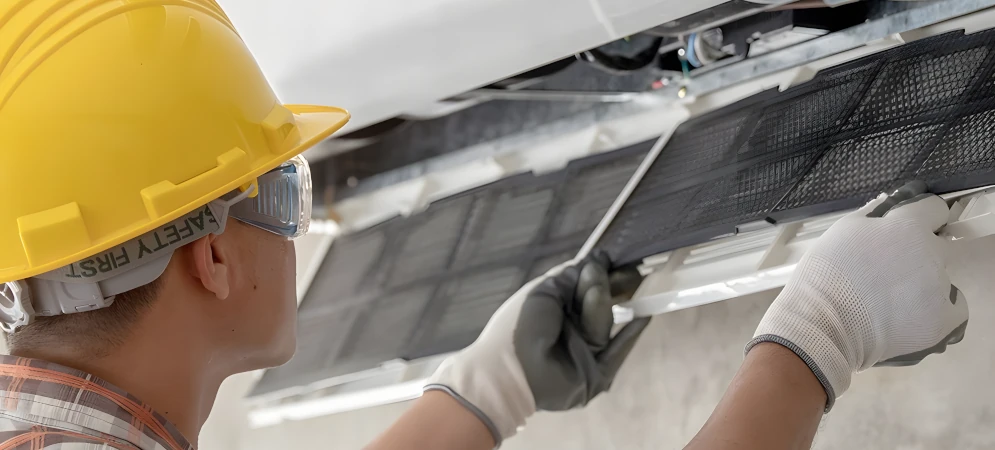

• neilghuman

What to Look for in a Commercial Cleaning and Maintenance Partner

Choosing the right cleaning and maintenance partner isn’t just about keeping a space looking good—it’s about protecting your operations, reducing downtime, and creating a safe, professional environment for employees and customers. The wrong partner creates constant headaches. The right one becomes an extension of your team.

Here’s what actually matters when evaluating a provider.


1. Reliable, Consistent Service

Consistency is everything. A good partner shows up when they say they will, completes work to the same standard every time, and communicates clearly if anything changes.

Look for:

  • Clear schedules and service plans
  • Documented processes or checklists
  • A track record of long-term clients

If service quality fluctuates, it will eventually impact your operations.


2. Full-Service Capability

You don’t want to juggle five vendors for cleaning, repairs, and maintenance. A strong partner should be able to handle multiple needs under one roof.

Core services to look for:

  • Routine cleaning and deep cleaning
  • Ongoing maintenance and inspections
  • Handyman services (minor repairs, touch-ups)
  • Plumbing and electrical support
  • Exterior upkeep (walkways, entrances, landscaping)

This reduces coordination issues and keeps accountability in one place.


3. Preventive Maintenance Focus

A reactive vendor waits for things to break. A good partner helps prevent problems before they happen.

Why it matters:

  • Reduces costly repairs
  • Minimizes downtime
  • Extends the life of your facility and equipment

Preventive maintenance is one of the easiest ways to control long-term costs—and most companies overlook it.


4. Flexibility Around Your Operations

Your business doesn’t stop so someone can clean it. The right partner works around you.

Look for:

  • After-hours service availability
  • Ability to work around peak times
  • Custom schedules based on your workflow

This is especially important for industries like healthcare, fitness, retail, and offices with heavy foot traffic.


5. Clear Communication and Accountability

Problems will come up—it’s how they’re handled that matters.

A strong partner should:

  • Provide a clear point of contact
  • Respond quickly to issues or requests
  • Be proactive about reporting problems they find

You shouldn’t have to chase your vendor to get things done.


6. Understanding of Your Industry

Different facilities have different needs. A dialysis clinic is not a gym. A dealership is not an office.

Your provider should understand:

  • Cleaning standards for your industry
  • Safety and compliance requirements
  • High-traffic and high-risk areas

This ensures work is done correctly without creating new risks.


7. Ability to Scale With You

As your business grows, your needs will change. Your service provider should be able to grow with you.

That means:

  • Adding more service locations
  • Increasing service frequency
  • Supporting larger or more complex facilities

Switching vendors later is expensive—choose one that can scale from the start.


8. Strong Approach to Safety and Quality

A professional partner prioritizes safety—for your team, your customers, and their own staff.

This includes:

  • Proper use of cleaning and disinfecting products
  • Safe work practices
  • Attention to detail in high-touch and high-risk areas

Poor quality or unsafe work can cost far more than the service itself.


9. Support Beyond Cleaning

The best partners don’t just clean—they help keep your entire facility running smoothly.

This can include:

  • Restocking consumables
  • Supporting inspections or audits
  • Handling emergency repairs
  • Coordinating larger projects with trusted partners

You want someone who solves problems, not just completes tasks.


Final Thoughts

A commercial cleaning and maintenance partner should make your life easier, not harder. They should be reliable, flexible, proactive, and capable of handling more than just basic cleaning.

If you’re constantly following up, fixing mistakes, or coordinating multiple vendors, it’s probably time to rethink your setup.

The right partner keeps your facility clean, your operations running, and your team focused on what actually matters.
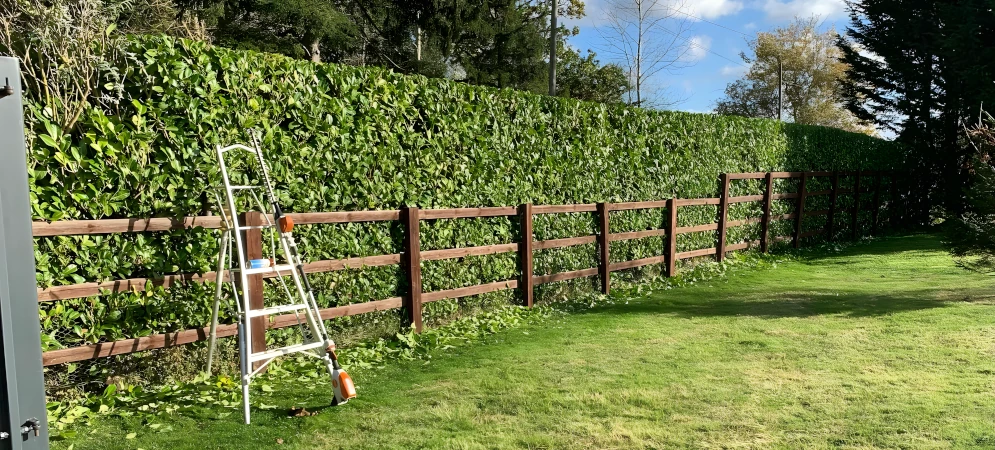
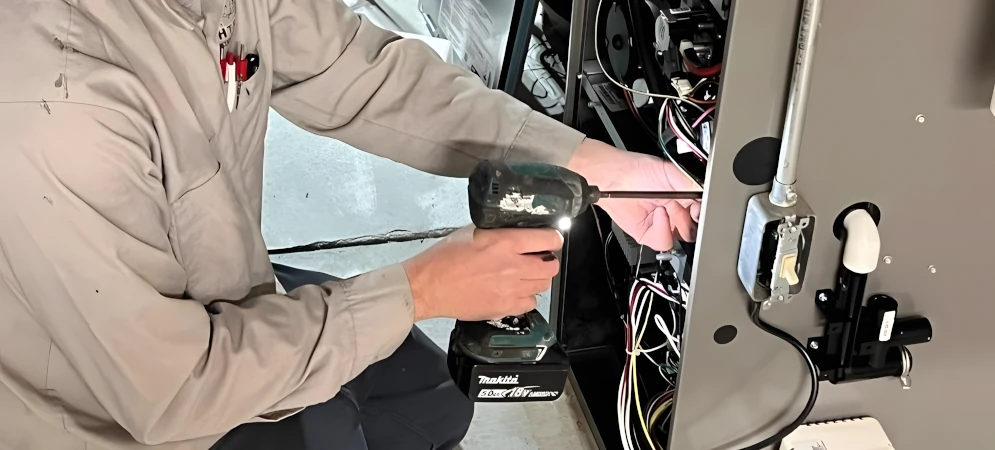
  • neilghuman

How Exterior Maintenance Improves Safety and Curb Appeal

For commercial and municipal properties, the exterior of your building does more than make a first impression—it directly impacts safety, liability, and how the public experiences your space. Whether it’s a city facility, office building, school, or retail center, consistent exterior maintenance keeps operations running smoothly and helps avoid preventable issues.

While one-off improvements like painting have their place, the real value comes from routine, ongoing maintenance.


First Impressions Matter—But Safety Matters More

A clean, well-maintained exterior signals professionalism, organization, and care. For municipalities, it reflects public trust. For commercial properties, it influences customer perception.

But beyond appearance, neglected exteriors create real risks:

  • Slippery walkways from moss or algae
  • Cracked or uneven sidewalks
  • Poor lighting or obstructed entrances
  • Overgrown landscaping blocking visibility

These issues don’t just look bad—they increase the chance of accidents and liability.


Routine Landscaping Keeps Properties Functional

Landscaping is often treated as cosmetic, but it plays a key role in safety and usability.

Ongoing landscaping maintenance helps:

  • Keep walkways and entrances clear
  • Maintain visibility for signage, cameras, and traffic flow
  • Prevent overgrowth that can damage structures or utilities
  • Improve overall accessibility for visitors and staff

For municipal properties especially, consistent landscaping helps maintain a clean, usable space for the public.


Walkway Upkeep Reduces Risk

Sidewalks, entry paths, and common walkways are some of the highest-traffic areas on any property.

Routine upkeep includes:

  • Clearing debris and buildup
  • Addressing minor cracks or uneven surfaces early
  • Maintaining proper drainage
  • Keeping surfaces clean and visible

Staying on top of these small issues helps prevent larger repairs and reduces the risk of slips, trips, and falls.


Moss Removal and Prevention Is Critical in the PNW

In Washington’s climate, moss and algae buildup is one of the most common—and most overlooked—hazards.

Without regular treatment:

  • Surfaces become slick and dangerous
  • Materials break down faster
  • Walkways and entrances lose traction

Routine moss removal and preventative treatments help keep surfaces safe year-round, especially during wet seasons.


Exterior Cleaning Keeps Surfaces in Good Condition

Dirt, debris, and buildup don’t just affect appearance—they can wear down materials over time.

Regular exterior cleaning helps:

  • Extend the life of concrete, siding, and roofing materials
  • Maintain a professional appearance
  • Prevent long-term damage from buildup

In some cases, pressure washing is appropriate. In others, softer cleaning methods are used to protect more delicate surfaces.


One-Off Services Still Play a Role

While routine maintenance does most of the heavy lifting, one-time services help reset or improve a property when needed.

These can include:

  • Painting and touch-ups
  • Seasonal cleanups
  • Post-project or post-event cleanup
  • Targeted repairs or improvements

These services are most effective when paired with an ongoing maintenance plan to keep everything in good condition afterward.


Preventive Maintenance Saves Time and Money

Exterior issues rarely start big. They build over time.

Routine maintenance helps:

  • Catch small problems early
  • Reduce emergency repairs
  • Extend the life of exterior features
  • Keep facilities compliant and safe

For municipalities managing multiple properties or businesses with high-traffic locations, this adds up quickly.


Supporting Operations and Public Experience

A well-maintained exterior makes daily operations easier:

  • Employees and visitors move through spaces safely
  • Entrances remain accessible and functional
  • Facilities stay ready for inspections, events, and public use

For municipal clients, it also reinforces trust and accountability to the community.


Final Thoughts

Exterior maintenance isn’t just about appearance—it’s a core part of facility management. Routine services like landscaping, walkway upkeep, moss removal, and exterior cleaning help keep properties safe, functional, and presentable year-round.

When combined with occasional one-off improvements like painting or targeted repairs, the result is a property that not only looks good, but operates the way it should—day in and day out.

  • neilghuman

Why Preventive Maintenance Saves Businesses Money

Most facility issues don’t start as emergencies—they start small and get worse over time. A loose fixture, a slow leak, a flickering light, or minor exterior wear can all turn into expensive problems if ignored. That’s where preventive maintenance comes in.

Instead of reacting to failures, preventive maintenance focuses on staying ahead of them. For commercial and municipal properties, that approach directly translates into lower costs, fewer disruptions, and more reliable operations.


Catching Problems Early Reduces Major Repairs

Small issues are easier—and cheaper—to fix than large ones.

Preventive maintenance allows teams to:

  • Identify wear and tear before it becomes failure
  • Address minor repairs before they spread
  • Avoid emergency service costs

For example, a small plumbing issue caught early might cost a quick repair. Left alone, it could turn into water damage, downtime, and costly restoration work.


Continuous Oversight of Utilities and Systems

One of the biggest advantages of preventive maintenance is constant oversight of utilities and building systems.

By regularly checking and maintaining:

  • Electrical systems
  • Plumbing systems
  • Lighting and fixtures
  • HVAC and ventilation
  • Exterior drainage and surfaces

…it becomes much easier to spot irregularities early.

This ongoing visibility helps:

  • Detect inefficiencies before they spike costs
  • Identify failing components before they break
  • Reduce the risk of major system failures

Without regular monitoring, these issues often go unnoticed until something stops working.


Reducing Downtime and Operational Disruptions

Unexpected failures don’t just cost money—they interrupt business.

Preventive maintenance helps:

  • Keep facilities operational
  • Avoid emergency shutdowns
  • Reduce interruptions to staff, customers, or the public

For businesses, that means maintaining productivity. For municipalities, it means keeping services available and accessible.


Extending the Life of Your Facility

Buildings, systems, and equipment last longer when they’re maintained properly.

Routine maintenance:

  • Reduces strain on systems
  • Prevents premature wear
  • Keeps everything operating as intended

Replacing major systems early is expensive. Preventive maintenance helps you get the most out of what you already have.


Lower Emergency and After-Hours Costs

Emergency repairs are almost always more expensive.

They often involve:

  • Urgent response times
  • After-hours or weekend work
  • More extensive damage

By addressing issues early, preventive maintenance reduces the need for emergency calls and keeps costs predictable.


Supporting Safety and Compliance

Many maintenance issues are also safety risks.

Preventive maintenance helps:

  • Keep walkways, lighting, and access points safe
  • Ensure systems are functioning properly
  • Maintain a facility that meets safety expectations

For commercial and municipal properties, this also supports inspections, compliance, and liability reduction.


Planning Instead of Reacting

Preventive maintenance allows you to plan work instead of reacting to problems.

That means:

  • Scheduling repairs at the right time
  • Bundling work efficiently
  • Avoiding repeated disruptions

This approach is more efficient and far less stressful than dealing with constant unexpected issues.


Final Thoughts

Preventive maintenance isn’t an extra expense—it’s a cost-saving strategy. By maintaining constant visibility over your facility’s systems and addressing issues early, you reduce the risk of major damage, system failures, and expensive downtime.

In the long run, businesses that invest in preventive maintenance spend less, operate more smoothly, and avoid the kinds of problems that disrupt operations when they matter most.

  • neilghuman

What Is Included in Commercial Facility Maintenance?

Commercial facility maintenance covers everything needed to keep a building clean, safe, functional, and running without interruption. It’s not just fixing things when they break—it’s a combination of routine service, preventive maintenance, and ongoing support that keeps problems from happening in the first place.

If you’re managing a commercial or municipal property, understanding what’s actually included helps you avoid gaps, reduce costs, and keep operations smooth.


Routine Cleaning and Upkeep

At the foundation of facility maintenance is consistent cleaning.

This typically includes:

  • Daily or scheduled cleaning of workspaces and common areas
  • Restroom cleaning and sanitation
  • Trash removal and recycling
  • Surface wiping and disinfecting
  • Floor care (sweeping, mopping, vacuuming)

Routine cleaning keeps the facility presentable, but more importantly, it helps prevent buildup that can damage surfaces over time.


Deep Cleaning Services

Beyond day-to-day cleaning, facilities need periodic deep cleaning to reset the space.

This can include:

  • Carpet extraction and hard floor scrubbing
  • Detailed restroom sanitation
  • Cleaning behind and under equipment or furniture
  • High-touch surface disinfecting
  • Kitchen and breakroom degreasing

Deep cleaning helps extend the life of materials and maintain a healthier environment.


Preventive Maintenance

Preventive maintenance is what separates reactive service from a well-run facility.

It includes:

  • Regular inspections of systems and infrastructure
  • Identifying wear and potential issues early
  • Scheduled upkeep to prevent breakdowns

This ongoing oversight makes it easier to catch small issues before they turn into major repairs or system failures.


General Repairs and Handyman Services

Facilities experience constant wear and tear. Having access to general repair support is essential.

Common services include:

  • Minor repairs and touch-ups
  • Fixture adjustments and replacements
  • Door, lock, and hardware repairs
  • Basic plumbing and electrical work

Handling these quickly helps maintain functionality and prevents larger problems.


Plumbing and Electrical Maintenance

Key building systems need ongoing attention.

This may include:

  • Addressing leaks, clogs, or drainage issues
  • Repairing lighting, outlets, or switches
  • Monitoring system performance
  • Maintaining safe and functional utilities

Routine maintenance of these systems reduces the risk of downtime and safety concerns.


Exterior Maintenance and Upkeep

The outside of the building is just as important as the inside.

Exterior maintenance often includes:

  • Landscaping and lawn care
  • Walkway and entrance upkeep
  • Moss removal and prevention
  • Debris removal
  • Exterior cleaning and washing

These services improve safety, reduce liability, and maintain curb appeal.


Restocking and Supply Management

Keeping facilities stocked is a key part of day-to-day operations.

This can include:

  • Paper products and restroom supplies
  • Soap, sanitizer, and liners
  • Breakroom and common area supplies

Restocking ensures spaces stay functional without requiring internal staff to manage inventory.


Emergency Repairs and Support

Even with strong maintenance plans, unexpected issues happen.

Facility maintenance should include:

  • Fast response to urgent issues
  • Repairs that affect safety or operations
  • Coordination to restore functionality quickly

Quick response minimizes downtime and disruption.


Scheduling and Operational Flexibility

Facility maintenance needs to work around your business—not the other way around.

This includes:

  • After-hours service
  • Off-peak scheduling
  • Flexible service plans based on usage

This allows maintenance to happen without interrupting daily operations.


Support for Larger Projects

While most maintenance covers routine and minor work, larger projects still come up.

This may include:

  • Renovations or reconfigurations
  • Major system upgrades
  • Structural improvements

For these, facilities often coordinate with specialized partners while maintaining regular service coverage.


Final Thoughts

Commercial facility maintenance isn’t one service—it’s a system of services working together. From cleaning and repairs to preventive maintenance and exterior upkeep, everything plays a role in keeping a property running smoothly.

When done right, it:

  • Reduces long-term costs
  • Prevents major issues
  • Keeps spaces safe and functional
  • Supports daily operations without disruption

If maintenance feels reactive or inconsistent, it’s usually a sign that the system isn’t fully in place. A strong, well-rounded approach makes all the difference.