How Exterior Maintenance Improves Safety and Curb Appeal
For commercial and municipal properties, the exterior of your building does more than make a first impression—it directly impacts safety, liability, and how the public experiences your space. Whether it’s a city facility, office building, school, or retail center, consistent exterior maintenance keeps operations running smoothly and helps avoid preventable issues.
While one-off improvements like painting have their place, the real value comes from routine, ongoing maintenance.
First Impressions Matter—But Safety Matters More
A clean, well-maintained exterior signals professionalism, organization, and care. For municipalities, it reflects public trust. For commercial properties, it influences customer perception.
But beyond appearance, neglected exteriors create real risks:
- Slippery walkways from moss or algae
- Cracked or uneven sidewalks
- Poor lighting or obstructed entrances
- Overgrown landscaping blocking visibility
These issues don’t just look bad—they increase the chance of accidents and liability.
Routine Landscaping Keeps Properties Functional
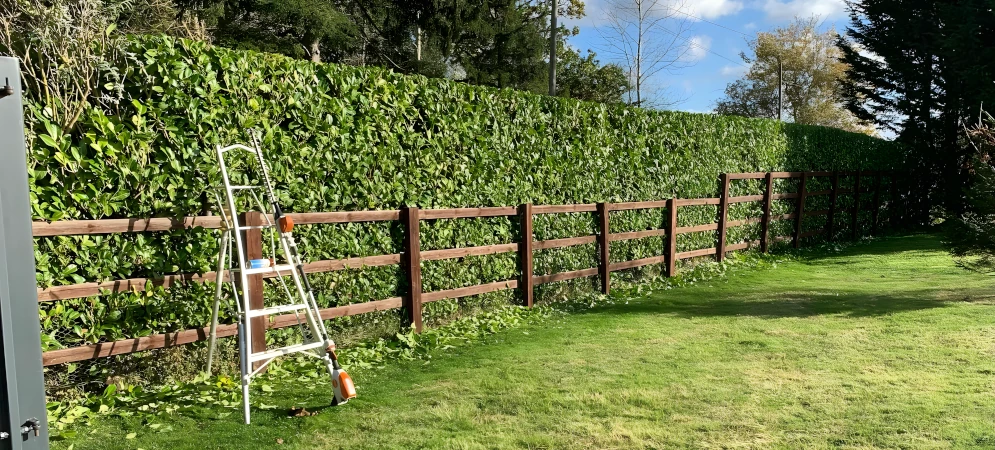
Landscaping is often treated as cosmetic, but it plays a key role in safety and usability.
Ongoing landscaping maintenance helps:
- Keep walkways and entrances clear
- Maintain visibility for signage, cameras, and traffic flow
- Prevent overgrowth that can damage structures or utilities
- Improve overall accessibility for visitors and staff
For municipal properties especially, consistent landscaping helps maintain a clean, usable space for the public.
Walkway Upkeep Reduces Risk
Sidewalks, entry paths, and common walkways are some of the highest-traffic areas on any property.
Routine upkeep includes:
- Clearing debris and buildup
- Addressing minor cracks or uneven surfaces early
- Maintaining proper drainage
- Keeping surfaces clean and visible
Staying on top of these small issues helps prevent larger repairs and reduces the risk of slips, trips, and falls.
Moss Removal and Prevention Is Critical in the PNW
In Washington’s climate, moss and algae buildup is one of the most common—and most overlooked—hazards.
Without regular treatment:
- Surfaces become slick and dangerous
- Materials break down faster
- Walkways and entrances lose traction
Routine moss removal and preventative treatments help keep surfaces safe year-round, especially during wet seasons.
Exterior Cleaning Keeps Surfaces in Good Condition
Dirt, debris, and buildup don’t just affect appearance—they can wear down materials over time.
Regular exterior cleaning helps:
- Extend the life of concrete, siding, and roofing materials
- Maintain a professional appearance
- Prevent long-term damage from buildup
In some cases, pressure washing is appropriate. In others, softer cleaning methods are used to protect more delicate surfaces.
One-Off Services Still Play a Role
While routine maintenance does most of the heavy lifting, one-time services help reset or improve a property when needed.
These can include:
- Painting and touch-ups
- Seasonal cleanups
- Post-project or post-event cleanup
- Targeted repairs or improvements
These services are most effective when paired with an ongoing maintenance plan to keep everything in good condition afterward.
Preventive Maintenance Saves Time and Money
Exterior issues rarely start big. They build over time.
Routine maintenance helps:
- Catch small problems early
- Reduce emergency repairs
- Extend the life of exterior features
- Keep facilities compliant and safe
For municipalities managing multiple properties or businesses with high-traffic locations, this adds up quickly.
Supporting Operations and Public Experience
A well-maintained exterior makes daily operations easier:
- Employees and visitors move through spaces safely
- Entrances remain accessible and functional
- Facilities stay ready for inspections, events, and public use
For municipal clients, it also reinforces trust and accountability to the community.
Final Thoughts
Exterior maintenance isn’t just about appearance—it’s a core part of facility management. Routine services like landscaping, walkway upkeep, moss removal, and exterior cleaning help keep properties safe, functional, and presentable year-round.
When combined with occasional one-off improvements like painting or targeted repairs, the result is a property that not only looks good, but operates the way it should—day in and day out.