
For many facilities, cleaning during business hours seems convenient—until it starts interfering with operations. Foot traffic, meetings, customers, and daily workflows can make it difficult to clean thoroughly without disruption.
That’s where after-hours cleaning comes in. It allows work to be done more efficiently, more thoroughly, and without getting in the way of your business.
So when does it actually make sense to schedule cleaning after hours?
When Your Facility Has Constant Foot Traffic
If your space is busy throughout the day—offices, gyms, medical facilities, retail spaces, or municipal buildings—cleaning during operating hours becomes a challenge.
After-hours cleaning helps:
- Avoid working around people
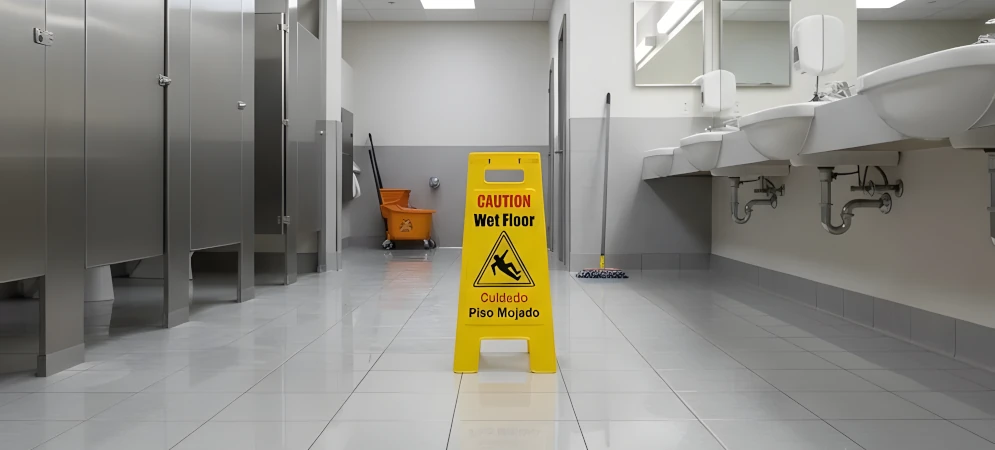
- Reduce safety risks (wet floors, equipment in use)
- Allow full access to all areas
In high-traffic environments, trying to clean during the day often means it doesn’t get done properly.
When You Need Deep Cleaning or Disinfecting
Deep cleaning requires time, access, and the ability to fully work through a space.
After-hours service is ideal for:
- Floor scrubbing, extraction, or polishing
- Full disinfecting of high-touch areas
- Cleaning behind and under furniture
- Restroom and kitchen deep cleaning
These tasks are difficult to complete effectively while a space is in use.
When Appearance Matters First Thing in the Morning
For customer-facing businesses, first impressions happen immediately.
After-hours cleaning ensures:
- Floors, surfaces, and restrooms are fresh at open
- Trash and debris are cleared
- Spaces look polished and ready for visitors
This is especially important for offices, dealerships, financial institutions, and public-facing facilities.
When Cleaning Could Disrupt Productivity
Cleaning during work hours can interrupt employees and operations:
- Noise from equipment
- Blocked walkways or workspaces
- Disruptions during meetings or service delivery
After-hours cleaning eliminates these issues and keeps the focus on productivity during the day.
When Safety Is a Concern
Cleaning activities can create temporary hazards:
- Wet or freshly cleaned floors
- Equipment and cords in walkways
- Restricted access areas
Scheduling after hours reduces exposure to these risks and helps maintain a safer environment.
When You Have Strict Scheduling or Compliance Needs
Certain industries require more controlled environments.
After-hours cleaning is beneficial for:
- Healthcare and medical facilities
- Cleanrooms and labs
- Schools and childcare centers
It allows for thorough cleaning without interfering with regulated processes or sensitive environments.
When You Want More Thorough, Efficient Service
Cleaning teams work faster and more effectively when they have full access.
After-hours service allows for:
- Uninterrupted workflows
- Better attention to detail
- More consistent results
Trying to clean around people often leads to missed areas or rushed work.
When You’re Managing Multiple Services at Once
After-hours windows are also ideal for bundling services:
- Cleaning and disinfecting
- Minor repairs or maintenance
- Restocking supplies
Coordinating these together reduces repeated disruptions and improves efficiency.
Final Thoughts
After-hours cleaning isn’t just about convenience—it’s about doing the job right without affecting your operations. If your facility has high traffic, needs deep cleaning, or can’t afford interruptions, it’s usually the better option.
In most cases, the question isn’t if you should use after-hours cleaning—it’s when.