
• neilghuman

What to Look for in a Commercial Cleaning and Maintenance Partner

Choosing the right cleaning and maintenance partner isn’t just about keeping a space looking good—it’s about protecting your operations, reducing downtime, and creating a safe, professional environment for employees and customers. The wrong partner creates constant headaches. The right one becomes an extension of your team.

Here’s what actually matters when evaluating a provider.


1. Reliable, Consistent Service

Consistency is everything. A good partner shows up when they say they will, completes work to the same standard every time, and communicates clearly if anything changes.

Look for:

  • Clear schedules and service plans
  • Documented processes or checklists
  • A track record of long-term clients

If service quality fluctuates, it will eventually impact your operations.


2. Full-Service Capability

You don’t want to juggle five vendors for cleaning, repairs, and maintenance. A strong partner should be able to handle multiple needs under one roof.

Core services to look for:

  • Routine cleaning and deep cleaning
  • Ongoing maintenance and inspections
  • Handyman services (minor repairs, touch-ups)
  • Plumbing and electrical support
  • Exterior upkeep (walkways, entrances, landscaping)

This reduces coordination issues and keeps accountability in one place.


3. Preventive Maintenance Focus

A reactive vendor waits for things to break. A good partner helps prevent problems before they happen.

Why it matters:

  • Reduces costly repairs
  • Minimizes downtime
  • Extends the life of your facility and equipment

Preventive maintenance is one of the easiest ways to control long-term costs—and most companies overlook it.


4. Flexibility Around Your Operations

Your business doesn’t stop so someone can clean it. The right partner works around you.

Look for:

  • After-hours service availability
  • Ability to work around peak times
  • Custom schedules based on your workflow

This is especially important for industries like healthcare, fitness, retail, and offices with heavy foot traffic.


5. Clear Communication and Accountability

Problems will come up—it’s how they’re handled that matters.

A strong partner should:

  • Provide a clear point of contact
  • Respond quickly to issues or requests
  • Be proactive about reporting problems they find

You shouldn’t have to chase your vendor to get things done.


6. Understanding of Your Industry

Different facilities have different needs. A dialysis clinic is not a gym. A dealership is not an office.

Your provider should understand:

  • Cleaning standards for your industry
  • Safety and compliance requirements
  • High-traffic and high-risk areas

This ensures work is done correctly without creating new risks.


7. Ability to Scale With You

As your business grows, your needs will change. Your service provider should be able to grow with you.

That means:

  • Adding more service locations
  • Increasing service frequency
  • Supporting larger or more complex facilities

Switching vendors later is expensive—choose one that can scale from the start.


8. Strong Approach to Safety and Quality

A professional partner prioritizes safety—for your team, your customers, and their own staff.

This includes:

  • Proper use of cleaning and disinfecting products
  • Safe work practices
  • Attention to detail in high-touch and high-risk areas

Poor quality or unsafe work can cost far more than the service itself.


9. Support Beyond Cleaning

The best partners don’t just clean—they help keep your entire facility running smoothly.

This can include:

  • Restocking consumables
  • Supporting inspections or audits
  • Handling emergency repairs
  • Coordinating larger projects with trusted partners

You want someone who solves problems, not just completes tasks.


Final Thoughts

A commercial cleaning and maintenance partner should make your life easier, not harder. They should be reliable, flexible, proactive, and capable of handling more than just basic cleaning.

If you’re constantly following up, fixing mistakes, or coordinating multiple vendors, it’s probably time to rethink your setup.

The right partner keeps your facility clean, your operations running, and your team focused on what actually matters.
  • neilghuman

How Often Should Commercial Buildings Be Deep Cleaned?

There’s no single answer that fits every building—but most facilities make the same mistake: they either deep clean too rarely, or only when something looks bad. By that point, you’re already behind.

Deep cleaning isn’t just about appearance. It’s about protecting surfaces, maintaining hygiene, and preventing long-term issues that routine cleaning alone won’t catch.


What Is Considered a “Deep Clean”?

Routine cleaning handles day-to-day upkeep—trash removal, wiping surfaces, basic floor care.

A deep clean goes further:

  • Detailed floor care (scrubbing, extraction, polishing)
  • Cleaning behind and under furniture
  • Disinfecting high-touch and hard-to-reach areas
  • Restroom deep sanitation
  • Kitchen or breakroom degreasing
  • Interior glass, vents, and fixtures

It targets buildup that accumulates over time and can’t be addressed during normal service.


General Deep Cleaning Frequency Guidelines

While every building is different, here’s a realistic baseline:

  • High-traffic facilities (gyms, medical, schools, retail):
    Every 1–3 months
  • Mid-traffic environments (offices, financial institutions):
    Every 3–6 months
  • Low-traffic or controlled environments:
    Every 6–12 months
  • Restrooms, kitchens, and high-use areas:
    Often require more frequent deep cleaning, regardless of building type

If you’re unsure, default to doing it more often than you think you need—it’s cheaper than fixing neglect later.


Why Routine Cleaning Isn’t Enough

Daily or weekly cleaning keeps things presentable, but it doesn’t remove:

  • Embedded dirt in flooring
  • Buildup in corners and edges
  • Hidden grime behind fixtures
  • Bacteria in overlooked areas

Over time, this buildup:

  • Damages surfaces
  • Creates odors
  • Impacts air quality
  • Leads to larger maintenance issues

Deep cleaning resets the space and extends the life of your facility.


Signs You’re Not Deep Cleaning Enough

If you notice any of the following, you’re overdue:

  • Floors look dull or worn even after cleaning
  • Persistent odors in restrooms or break areas
  • Visible buildup in corners or along baseboards
  • Stained or sticky surfaces
  • Complaints from staff or visitors

At that point, you’re not maintaining—you’re catching up.


Seasonal and Annual Deep Cleaning

Many facilities benefit from planned seasonal deep cleaning, especially in areas like:

  • Entrances and walkways (post-winter cleanup, debris, moss removal)
  • Carpets and flooring (after heavy seasonal traffic)
  • HVAC vents and interior surfaces

Annual deep cleaning is the minimum baseline. For most commercial buildings, it’s not enough on its own.


After-Hours Deep Cleaning Makes a Difference

Deep cleaning is most effective when it’s done:

  • After hours
  • During low-traffic periods
  • When areas can be fully accessed

This allows for:

  • More thorough work
  • Faster completion
  • Less disruption to operations

Trying to deep clean around people usually means it doesn’t get done properly.


Custom Schedules Work Best

The right frequency depends on:

  • Foot traffic
  • Type of business
  • Layout and materials
  • Health and safety requirements

A good service plan adjusts based on real usage—not a generic schedule.


The Cost of Waiting Too Long

Skipping deep cleaning doesn’t save money—it delays the cost and makes it worse.

You’ll eventually deal with:

  • Premature floor replacement
  • Stronger, more expensive cleaning
  • Equipment strain
  • Higher labor costs to restore conditions

Staying ahead is always cheaper than catching up.


Final Thoughts

Most commercial buildings should be deep cleaned at least quarterly, and more often if they see heavy use. The exact schedule should match how the space is actually used—not what’s easiest to ignore.

Deep cleaning protects your investment, supports a healthier environment, and keeps your facility operating the way it should.

  • neilghuman

When Should You Schedule After-Hours Cleaning Services?

For many facilities, cleaning during business hours seems convenient—until it starts interfering with operations. Foot traffic, meetings, customers, and daily workflows can make it difficult to clean thoroughly without disruption.

That’s where after-hours cleaning comes in. It allows work to be done more efficiently, more thoroughly, and without getting in the way of your business.

So when does it actually make sense to schedule cleaning after hours?


When Your Facility Has Constant Foot Traffic

If your space is busy throughout the day—offices, gyms, medical facilities, retail spaces, or municipal buildings—cleaning during operating hours becomes a challenge.

After-hours cleaning helps:

  • Avoid working around people
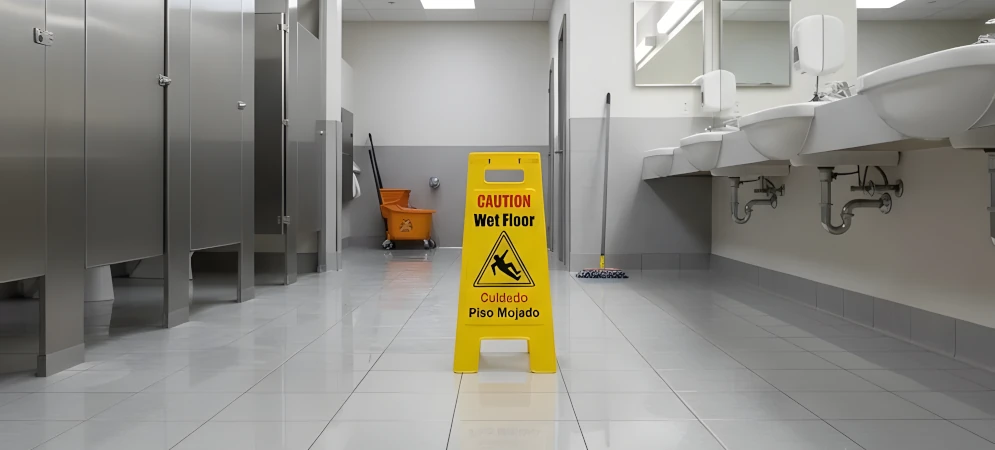
  • Reduce safety risks (wet floors, equipment in use)
  • Allow full access to all areas

In high-traffic environments, trying to clean during the day often means it doesn’t get done properly.


When You Need Deep Cleaning or Disinfecting

Deep cleaning requires time, access, and the ability to fully work through a space.

After-hours service is ideal for:

  • Floor scrubbing, extraction, or polishing
  • Full disinfecting of high-touch areas
  • Cleaning behind and under furniture
  • Restroom and kitchen deep cleaning

These tasks are difficult to complete effectively while a space is in use.


When Appearance Matters First Thing in the Morning

For customer-facing businesses, first impressions happen immediately.

After-hours cleaning ensures:

  • Floors, surfaces, and restrooms are fresh at open
  • Trash and debris are cleared
  • Spaces look polished and ready for visitors

This is especially important for offices, dealerships, financial institutions, and public-facing facilities.


When Cleaning Could Disrupt Productivity

Cleaning during work hours can interrupt employees and operations:

  • Noise from equipment
  • Blocked walkways or workspaces
  • Disruptions during meetings or service delivery

After-hours cleaning eliminates these issues and keeps the focus on productivity during the day.


When Safety Is a Concern

Cleaning activities can create temporary hazards:

  • Wet or freshly cleaned floors
  • Equipment and cords in walkways
  • Restricted access areas

Scheduling after hours reduces exposure to these risks and helps maintain a safer environment.


When You Have Strict Scheduling or Compliance Needs

Certain industries require more controlled environments.

After-hours cleaning is beneficial for:

  • Healthcare and medical facilities
  • Cleanrooms and labs
  • Schools and childcare centers

It allows for thorough cleaning without interfering with regulated processes or sensitive environments.


When You Want More Thorough, Efficient Service

Cleaning teams work faster and more effectively when they have full access.

After-hours service allows for:

  • Uninterrupted workflows
  • Better attention to detail
  • More consistent results

Trying to clean around people often leads to missed areas or rushed work.


When You’re Managing Multiple Services at Once

After-hours windows are also ideal for bundling services:

  • Cleaning and disinfecting
  • Minor repairs or maintenance
  • Restocking supplies

Coordinating these together reduces repeated disruptions and improves efficiency.


Final Thoughts

After-hours cleaning isn’t just about convenience—it’s about doing the job right without affecting your operations. If your facility has high traffic, needs deep cleaning, or can’t afford interruptions, it’s usually the better option.

In most cases, the question isn’t if you should use after-hours cleaning—it’s when.