
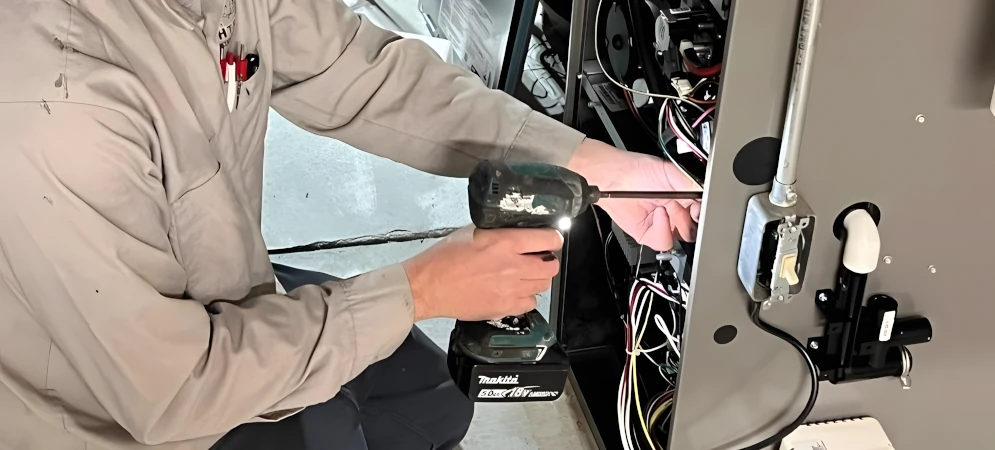
Most facility issues don’t start as emergencies—they start small and get worse over time. A loose fixture, a slow leak, a flickering light, or minor exterior wear can all turn into expensive problems if ignored. That’s where preventive maintenance comes in.
Instead of reacting to failures, preventive maintenance focuses on staying ahead of them. For commercial and municipal properties, that approach directly translates into lower costs, fewer disruptions, and more reliable operations.
Catching Problems Early Reduces Major Repairs
Small issues are easier—and cheaper—to fix than large ones.
Preventive maintenance allows teams to:
- Identify wear and tear before it becomes failure
- Address minor repairs before they spread
- Avoid emergency service costs
For example, a small plumbing issue caught early might cost a quick repair. Left alone, it could turn into water damage, downtime, and costly restoration work.
Continuous Oversight of Utilities and Systems
One of the biggest advantages of preventive maintenance is constant oversight of utilities and building systems.
By regularly checking and maintaining:
- Electrical systems
- Plumbing systems
- Lighting and fixtures
- HVAC and ventilation
- Exterior drainage and surfaces
…it becomes much easier to spot irregularities early.
This ongoing visibility helps:
- Detect inefficiencies before they spike costs
- Identify failing components before they break
- Reduce the risk of major system failures
Without regular monitoring, these issues often go unnoticed until something stops working.
Reducing Downtime and Operational Disruptions
Unexpected failures don’t just cost money—they interrupt business.
Preventive maintenance helps:
- Keep facilities operational
- Avoid emergency shutdowns
- Reduce interruptions to staff, customers, or the public
For businesses, that means maintaining productivity. For municipalities, it means keeping services available and accessible.
Extending the Life of Your Facility
Buildings, systems, and equipment last longer when they’re maintained properly.
Routine maintenance:
- Reduces strain on systems
- Prevents premature wear
- Keeps everything operating as intended
Replacing major systems early is expensive. Preventive maintenance helps you get the most out of what you already have.
Lower Emergency and After-Hours Costs
Emergency repairs are almost always more expensive.
They often involve:
- Urgent response times
- After-hours or weekend work
- More extensive damage
By addressing issues early, preventive maintenance reduces the need for emergency calls and keeps costs predictable.
Supporting Safety and Compliance
Many maintenance issues are also safety risks.
Preventive maintenance helps:
- Keep walkways, lighting, and access points safe
- Ensure systems are functioning properly
- Maintain a facility that meets safety expectations
For commercial and municipal properties, this also supports inspections, compliance, and liability reduction.
Planning Instead of Reacting
Preventive maintenance allows you to plan work instead of reacting to problems.
That means:
- Scheduling repairs at the right time
- Bundling work efficiently
- Avoiding repeated disruptions
This approach is more efficient and far less stressful than dealing with constant unexpected issues.
Final Thoughts
Preventive maintenance isn’t an extra expense—it’s a cost-saving strategy. By maintaining constant visibility over your facility’s systems and addressing issues early, you reduce the risk of major damage, system failures, and expensive downtime.
In the long run, businesses that invest in preventive maintenance spend less, operate more smoothly, and avoid the kinds of problems that disrupt operations when they matter most.