Local Service Information
Seattle
The region’s largest city and the King County seat, set between Puget Sound and Lake Washington on hilly terrain.
County: King County
ZIP Codes Served: 98101, 98103, 98105, 98115, 98118, 98122, 98133
Neighborhoods: Ballard, Capitol Hill, Fremont, West Seattle, Queen Anne, Rainier Valley, University District
Nearby Communities: Shoreline, Burien, Tukwila, Mercer Island, Bellevue
Common Property Types: Predominantly single-family homes along with townhomes, condominiums, and multifamily housing; commercial property includes retail, office, and mixed-use buildings.
Local Tree & Landscape Notes: Common regional trees include Douglas fir, western red cedar, western hemlock, bigleaf maple, and red alder, alongside many ornamental species. Wet soils and dense canopy are common considerations for access and scheduling.
Permit Considerations: Permit requirements vary depending on tree size, species, protected areas, shoreline regulations, critical areas, and local municipal code. Always verify current requirements with the local jurisdiction before beginning work.
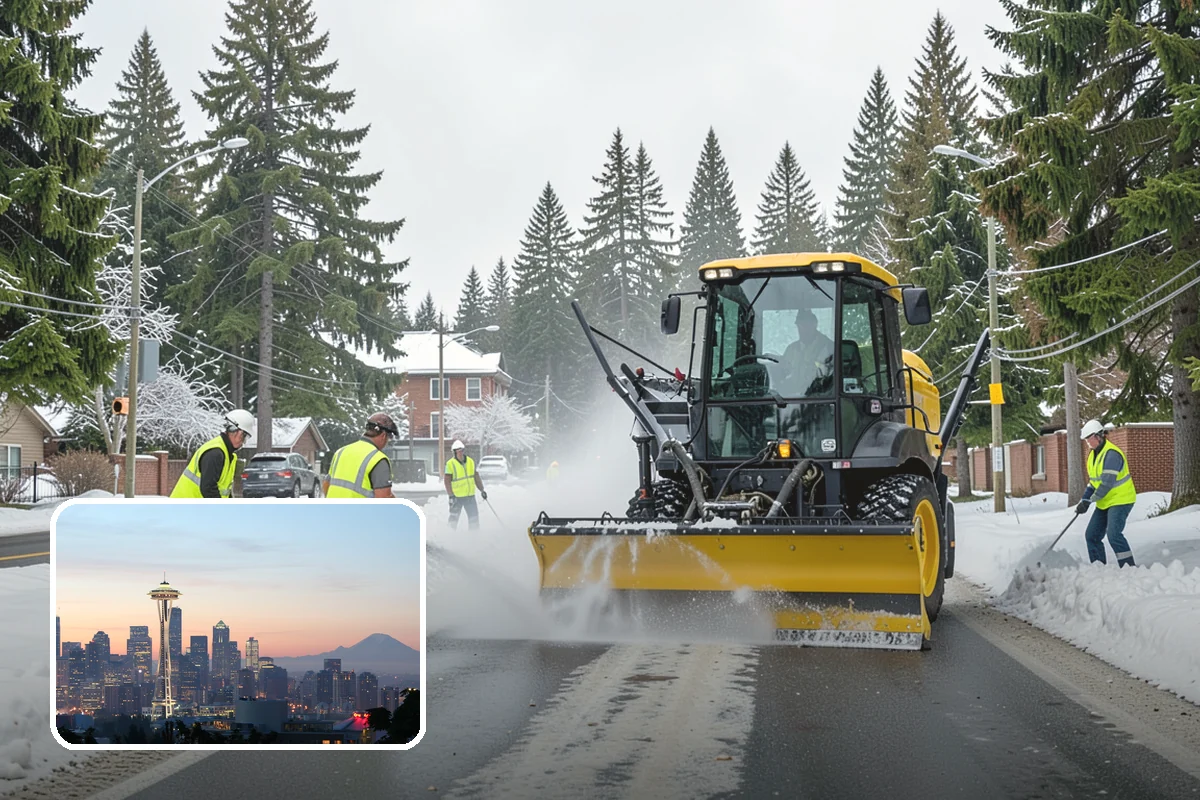
Climate: Marine west coast climate typical of the Puget Sound region: mild, wet winters and warm, relatively dry summers, with most rainfall from fall through spring. Occasional wind, snow, and ice events and seasonal soil saturation influence tree health and the timing of tree work.
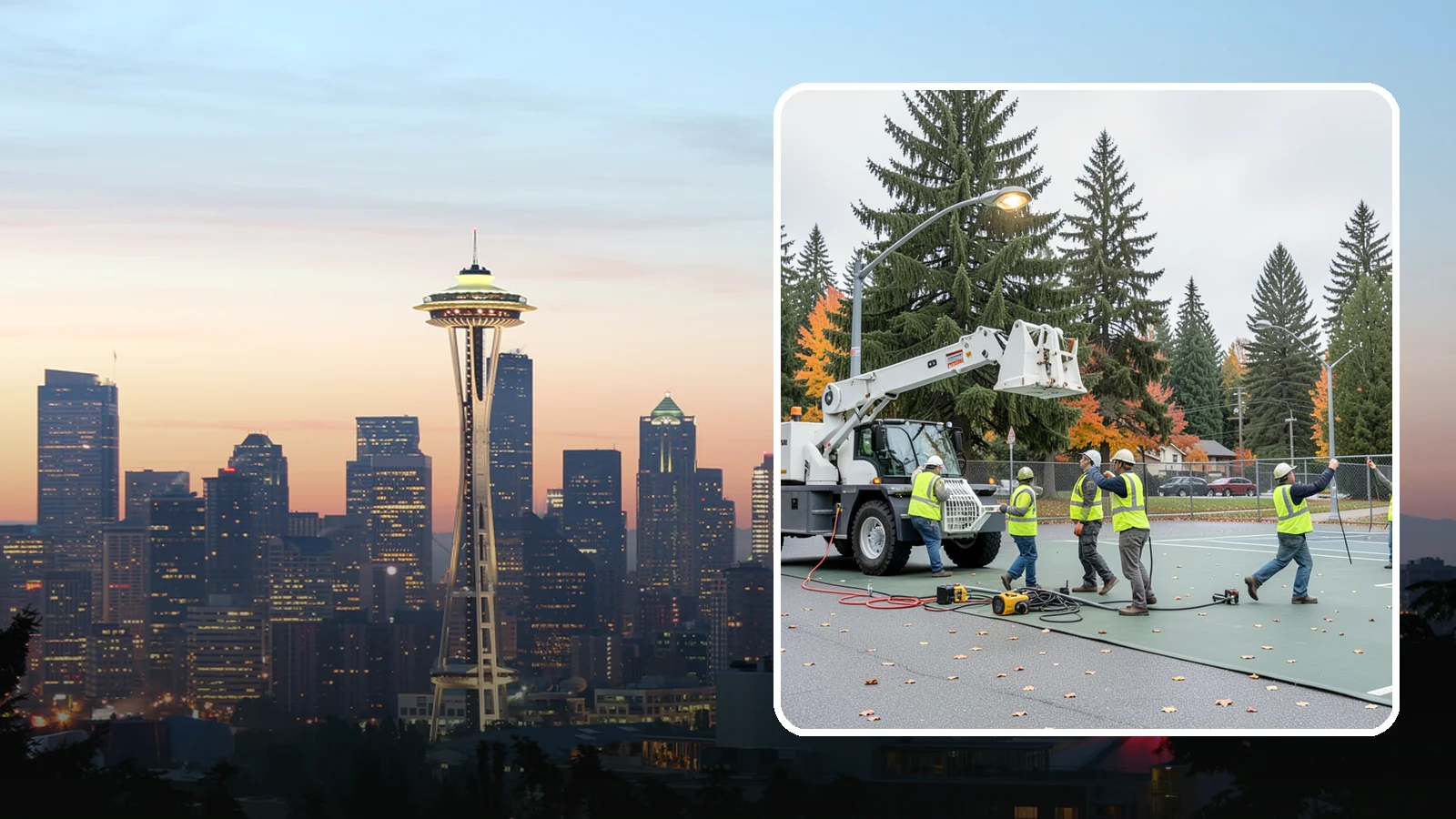
Seattle is the region’s largest and most complex public-grounds environment, where King County’s civic institutions, dense commercial districts, and signature public spaces demand consistent, high-standard maintenance. From the office towers and mixed-use blocks near Pike Place Market to the expansive lawns of Discovery Park and the plant collections at the Washington Park Arboretum, property managers and civic departments oversee grounds across neighborhoods like Ballard, Capitol Hill, Fremont, and West Seattle. Our municipal and commercial property-services work is built for that scale and scrutiny.
Across Seattle, work spans commercial campuses, institutional grounds, and heavily used public spaces from the Rainier Valley to Queen Anne. Crews coordinate with property managers, facility teams, and civic staff whose sites near Pike Place Market, Discovery Park, and the University District carry intense daily use and visible public expectations throughout King County’s urban core.
Site Conditions: Seattle sites contend with steep grades, constrained urban lots, aging hardscape, and heavy foot traffic across commercial and institutional properties. Public grounds such as Discovery Park and the Washington Park Arboretum combine mature tree canopy, turf, and trail networks, while dense districts near Pike Place Market present tight staging, limited access, and continuous pedestrian volume.
Seasonal Considerations: Seattle’s mild, wet winters and dry summers shape a year-round cadence of drainage and hardscape care in the rainy months and irrigation-managed turf and planting work through summer. Fall leaf load across the Arboretum, Discovery Park, and tree-lined commercial streets calls for sustained cleanup, while winter storm response keeps walkways and public entries safe and clear.
Common Project Types: Common work includes streetscape and plaza landscape maintenance in commercial districts, turf and canopy care at large parks, planting-bed renovation at institutional grounds, pressure washing of urban hardscape and building exteriors, graffiti and litter cleanup on high-visibility frontages, and drainage upkeep across sloped, heavily used sites.
Property Styles: Seattle blends a dense commercial and mixed-use core with established single-family neighborhoods and large public landscapes. Retail, office, and multifamily properties dominate districts like Capitol Hill and Fremont, while civic assets from Discovery Park to the Washington Park Arboretum require careful, collection-grade grounds care alongside busy commercial frontages.
Local Materials & Plants: Urban plantings lean on tough, low-input species like autumn fern, salal, red-twig dogwood, and ornamental sedges that thrive in shaded courtyards and street beds. Larger grounds near the Arboretum favor native rhododendron, vine maple, and layered evergreen understory, while commercial plazas use permeable pavers, structural soil, and mulch systems that withstand constant foot traffic.
Planning Your Project: Seattle planning centers on urban access constraints, coordination with multiple property managers and civic stakeholders, and staging that respects continuous pedestrian and vehicle flow. We phase work around peak commercial and public-use periods, protect mature tree assets, and confirm site scopes with responsible facility and civic teams before crews mobilize downtown or in neighborhood districts.
Bring a municipal and commercial property-services partner that can meet Seattle’s scale, from Arboretum-grade grounds to high-traffic commercial plazas. Connect with us to shape a maintenance program tuned to the city’s public spaces and business properties.