Local Service Information
Orting
A small city in the Puyallup River valley of Pierce County in the shadow of Mount Rainier.
County: Pierce County
ZIP Codes Served: 98360
Neighborhoods: Downtown Orting; residential areas in the Puyallup River valley
Nearby Communities: Sumner, Bonney Lake, Puyallup, Buckley
Common Property Types: Predominantly single-family homes, with some townhomes and multifamily housing; commercial property includes small retail, civic, and light commercial buildings.
Local Tree & Landscape Notes: Forested foothill setting with conifers such as Douglas fir, western hemlock, and western red cedar, plus bigleaf maple and alder. Slopes, wet soils, and larger trees are common considerations for access and rigging.
Permit Considerations: Permit requirements vary depending on tree size, species, protected areas, shoreline regulations, critical areas, and local municipal code. Always verify current requirements with the local jurisdiction before beginning work.
Climate: Marine west coast climate typical of the Puget Sound region: mild, wet winters and warm, relatively dry summers, with most rainfall from fall through spring. Occasional wind, snow, and ice events and seasonal soil saturation influence tree health and the timing of tree work.
Set in the Puyallup River valley in Pierce County, Orting frames its downtown and residential blocks against Foothills Trail traffic and clear views of Mount Rainier. Washington City Services works with the city, school district, and commercial property owners here on park and athletic-field care, right-of-way maintenance, and pavement upkeep suited to a valley floor that runs slightly cooler than the surrounding lowlands as elevation rises. Trail-linked corridors and riverside parcels shape much of the routine.
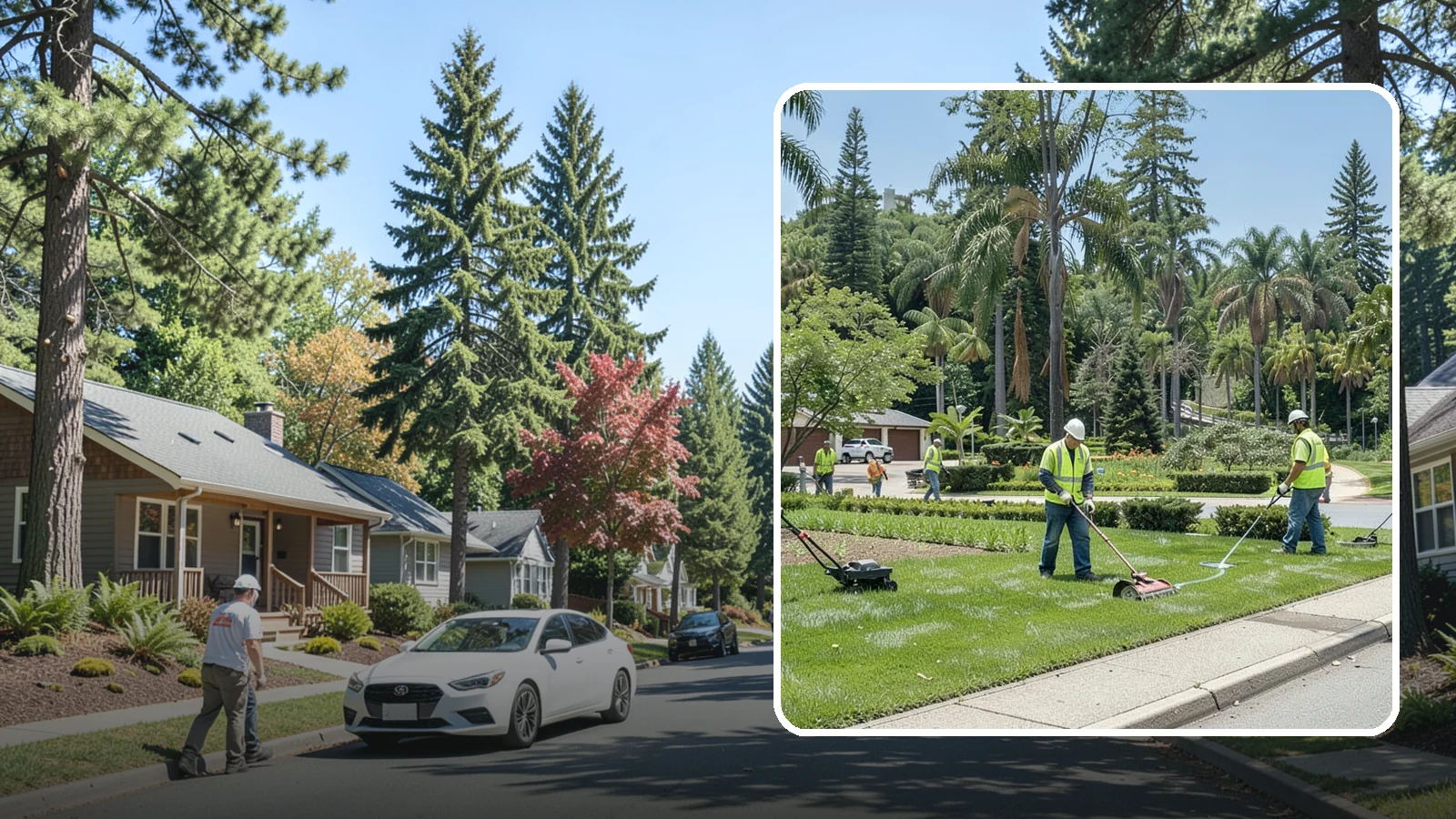
In Orting, day-to-day service revolves around the Foothills Trail spine and the civic and commercial spaces that connect to it, keeping shared paths, sport fields, and parking areas usable through a wet valley climate. We plan mowing, striping, and repair rounds around recreation traffic and the downtown commercial core.
Site Conditions: Valley-floor sites deal with high groundwater, alluvial soils that stay saturated after rain, and drainage that funnels toward the Puyallup River. Trail approaches and shared lots take concentrated foot and bike traffic that wears surfacing and edges faster than lightly used areas.
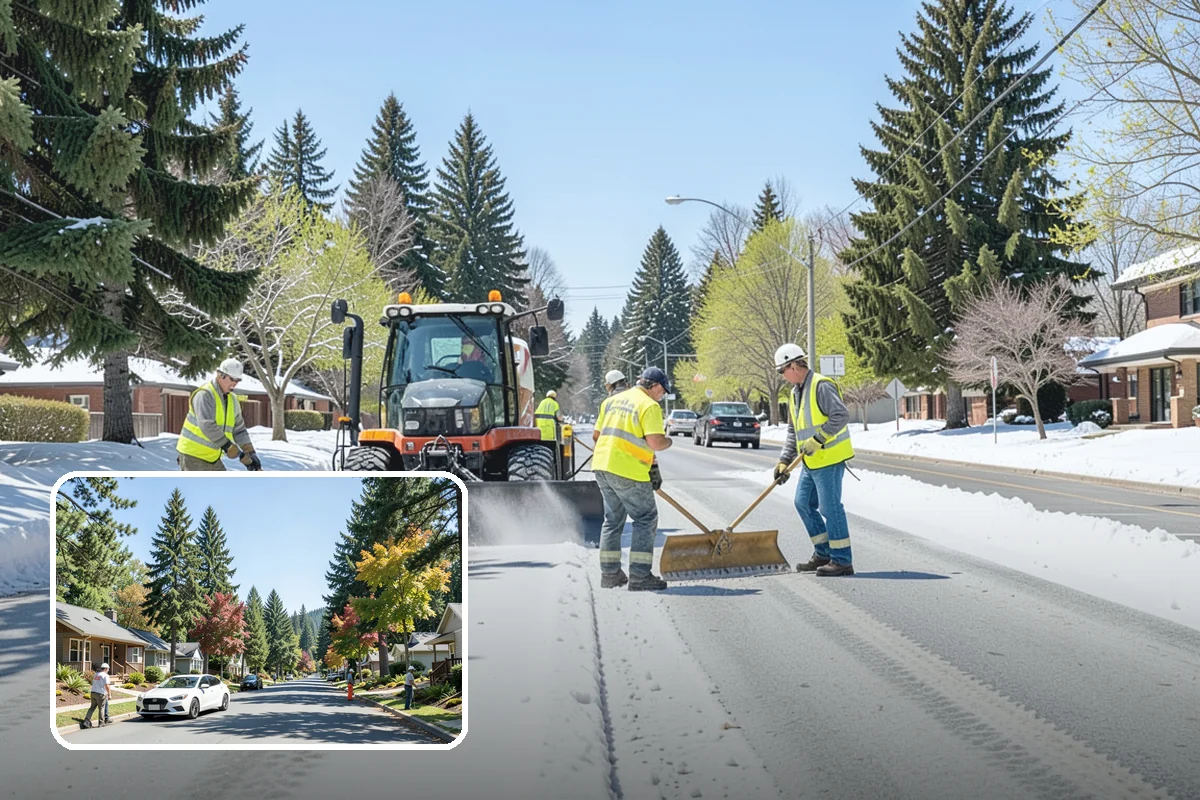
Seasonal Considerations: Winters trend a touch cooler than the open lowlands, and prolonged valley rain keeps soils wet and drainage under load. Spring greens the fields for peak use, summer opens the drier window for paving and turf renovation, and fall centers on leaf clearing and ditch maintenance along the trail and roadways.
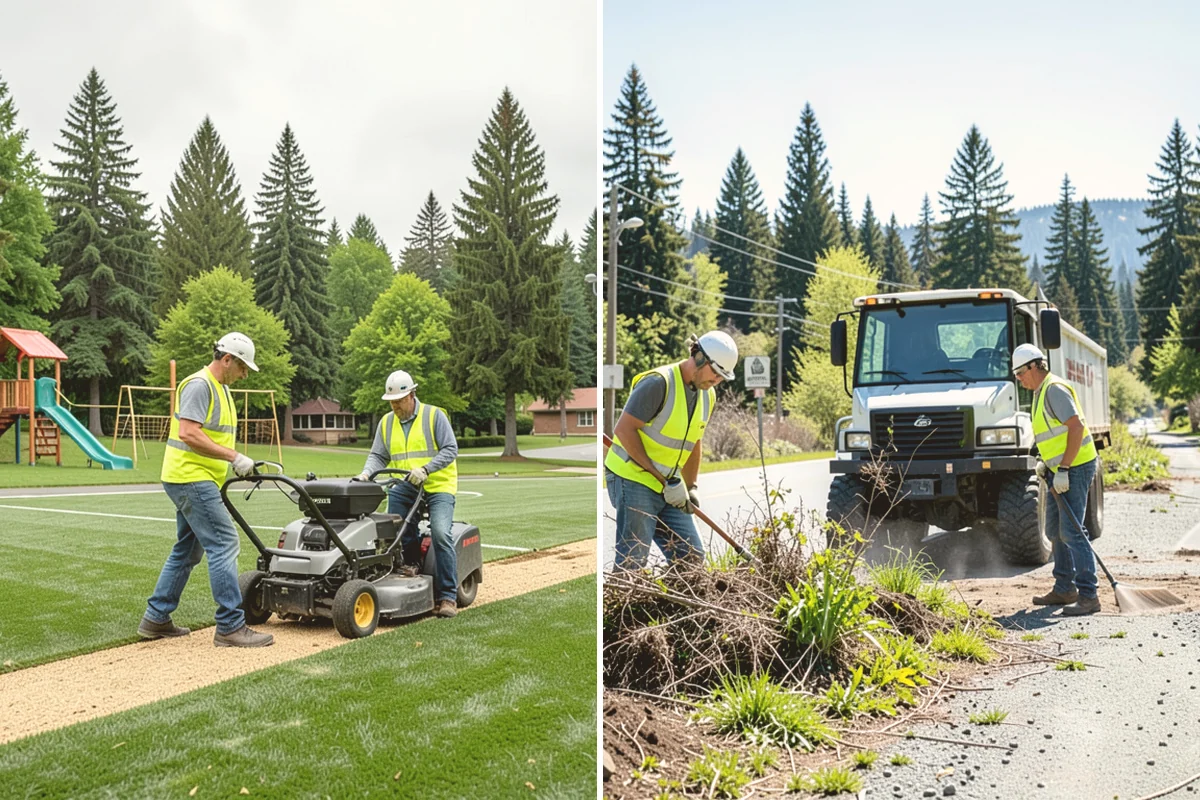
Common Project Types: Frequent projects include repaving and striping trailhead and civic lots, renovating waterlogged athletic-field turf, rebuilding and regrading roadside drainage, resurfacing shared-use path segments, and pressure washing park shelters and municipal frontages.
Property Styles: The mix here runs to small retail, civic, and light-commercial buildings among single-family homes and some townhomes, so grounds work suits compact downtown frontages, neighborhood parks, and the trail corridor rather than large institutional sites.
Local Materials & Plants: Path and trail work leans on compacted bark, crushed gravel, and asphalt sized for shared-use loads, while plantings favor moisture-tolerant natives like Douglas spirea, snowberry, and bigleaf maple street trees. Field turf runs to durable ryegrass blends, and median beds mix hardy sedges with low native shrubs.
Planning Your Project: Contracting is structured as seasonal rounds plus responsive repairs, front-loading paving and turf work into summer and reserving wet months for drainage and vegetation control. Scopes come out of joint site walks so crews match equipment to soft, saturated valley ground.
Talk with Washington City Services about a valley-ready plan for your Orting parks, right-of-way, trail segments, and paved surfaces.