
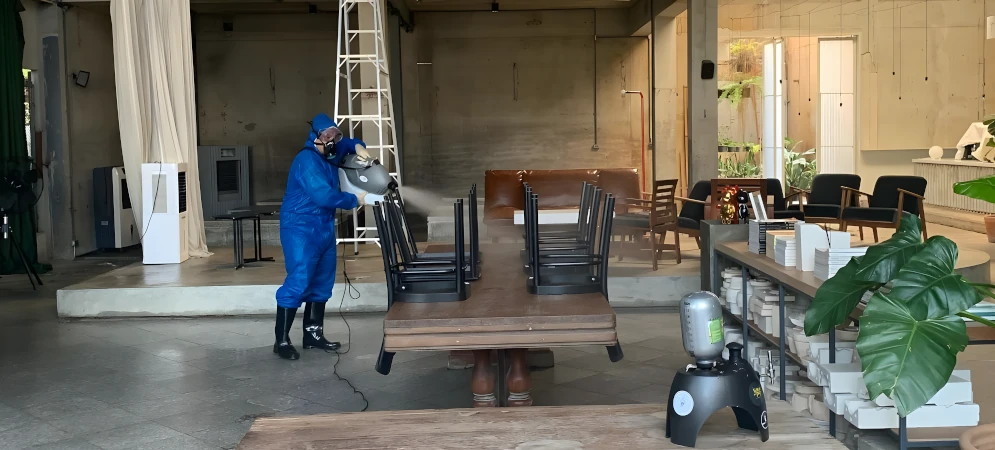
disinfecting services
  • neilghuman

Keeping Facilities Clean, Safe, and Operational Through Every Season

Seasonal Changes Bring New Facility Challenges

Facilities face different demands as the seasons change. Weather, occupancy patterns, and environmental conditions all impact how buildings are used and maintained. Without a proactive approach, seasonal shifts can create safety concerns, operational disruptions, and unnecessary strain on facility teams.

Planning for seasonal needs helps facilities stay ahead of these challenges rather than reacting to them after problems arise.

Spring and Summer: Preparing for Increased Use

Warmer months often bring higher foot traffic, extended hours, and increased use of outdoor areas. For schools, municipalities, and commercial properties, this means greater wear on flooring, landscaping, entryways, and shared spaces.

Seasonal cleaning, exterior maintenance, and landscape care help ensure facilities remain welcoming, functional, and safe as usage increases. Addressing buildup, debris, and minor repairs early prevents small issues from becoming larger operational concerns later in the year.

Fall: Preventing Weather-Related Disruptions

As temperatures drop and rainfall increases, facilities must prepare for slippery surfaces, clogged drains, and increased indoor traffic. Entryways, walkways, and common areas require additional attention to reduce safety risks.

Fall maintenance focuses on preparing buildings for wetter conditions by addressing exterior drainage, leaf removal, and interior cleanliness. These proactive steps help reduce hazards and maintain consistent operations as conditions change.

Winter: Prioritizing Safety and Accessibility

Winter conditions can create some of the most significant facility challenges. Snow, ice, and reduced daylight increase the risk of slips, access issues, and delayed services.

Consistent winter support—such as walkway care, entryway maintenance, and responsive service—helps facilities remain accessible and safe. Planning ahead ensures that operations continue with minimal disruption during colder months.

Consistent Support Keeps Facilities Operational

Facilities that rely on seasonal or reactive services often struggle to maintain consistency. Year-round support provides continuous oversight, ensuring that cleanliness, safety, and functionality are maintained regardless of the season.

With established service schedules and familiar teams, facilities benefit from faster response times and fewer surprises throughout the year.

A Proactive Approach to Facility Management

Keeping facilities clean, safe, and operational through every season requires more than short-term solutions. It demands planning, consistency, and services aligned with real operational needs.

By investing in year-round facility support, schools, municipalities, and commercial facilities create stable environments that remain ready for use—no matter the season.

labor solutions and staffing
  • neilghuman

How Multi-Site Facility Management Improves Consistency and Accountability

The Challenge of Managing Multiple Locations

Managing a single facility presents enough complexity on its own. When organizations are responsible for multiple locations, those challenges multiply. Differences in service providers, schedules, and standards can lead to uneven results, missed tasks, and reduced visibility across sites.

Without a coordinated approach, facility managers often spend valuable time troubleshooting inconsistencies rather than focusing on broader operational goals.

Centralized Oversight Creates Consistency

Multi-site facility management brings structure and alignment across all locations. With centralized oversight, service standards, schedules, and expectations are clearly defined and applied consistently from one site to the next.

This approach ensures that facilities receive the same level of care regardless of location, reducing variability and improving overall service quality.

Standardized Processes Improve Accountability

Accountability improves when processes are standardized. Multi-site management establishes clear scopes of work, defined responsibilities, and documented service expectations.

With consistent processes in place, it becomes easier to track performance, identify gaps, and address issues promptly. Everyone involved understands what is expected and how success is measured.

Simplified Communication Across Locations

Managing communication across multiple facilities can quickly become complex. A multi-site approach streamlines communication by providing clear points of contact and unified reporting.

This simplifies coordination, reduces confusion, and ensures that updates, requests, and concerns are handled efficiently across all locations.

Better Visibility Into Facility Performance

Multi-site facility management provides greater visibility into how facilities are performing over time. Consistent reporting and oversight make it easier to compare sites, identify trends, and prioritize improvements.

This visibility supports better decision-making and helps organizations allocate resources more effectively.

Improved Response and Issue Resolution

When issues arise, multi-site management allows for faster and more coordinated responses. Familiar teams, established procedures, and shared knowledge across locations reduce response times and improve resolution quality.

This responsiveness minimizes disruptions and reinforces accountability across all facilities.

Supporting Long-Term Operational Stability

Ultimately, multi-site facility management supports long-term operational stability. Consistent service delivery, clear accountability, and centralized oversight create environments that are easier to manage and maintain.

For schools, municipalities, and commercial organizations, this approach leads to improved reliability, stronger operational control, and facilities that remain ready for use every day.