

handyman services
  • neilghuman

The Importance of Scheduled Maintenance for Public and Commercial Facilities

Preventing Small Issues From Becoming Major Problems

In public and commercial facilities, many costly disruptions start as small, manageable issues. Minor wear, routine buildup, or overlooked repairs can gradually escalate into safety concerns, operational downtime, or expensive emergency fixes.

Scheduled maintenance addresses these issues early. By maintaining a regular service cadence, facilities reduce the risk of unexpected failures and avoid the compounding effects of deferred upkeep.

Supporting Safe and Functional Environments

Public-facing buildings such as schools, municipal offices, and commercial facilities must remain safe and accessible at all times. Regular maintenance helps ensure that walkways, restrooms, common areas, and exterior spaces remain clean, functional, and compliant with safety expectations.

Consistent upkeep also supports occupant confidence. When facilities are visibly well maintained, it reinforces trust among staff, visitors, and the communities they serve.

Improving Operational Predictability

Scheduled maintenance brings structure and predictability to facility operations. Instead of reacting to issues as they arise, administrators can plan around known service windows, seasonal needs, and usage patterns.

This predictability reduces last-minute coordination, minimizes disruptions, and allows internal teams to focus on their primary responsibilities rather than emergency facility concerns.

Extending the Life of Facility Assets

Routine maintenance plays a critical role in protecting long-term investments. Flooring, fixtures, landscaping, and building systems last longer when they are cleaned, serviced, and inspected regularly.

For public and commercial facilities, extending asset life helps control costs, reduce replacement cycles, and maintain consistent operating standards over time.

Reducing Emergency Response and Downtime

Facilities without scheduled maintenance often rely heavily on emergency service calls. These situations tend to be more disruptive, more expensive, and harder to coordinate—especially during peak operating hours.

Scheduled maintenance reduces emergency incidents by addressing problems proactively. When unexpected issues do occur, they are often smaller in scope and easier to resolve.

Simplifying Facility Management

Managing multiple vendors, service schedules, and reactive requests can quickly become overwhelming. Scheduled maintenance simplifies facility management by creating clear expectations, defined scopes, and consistent service delivery.

With structured support in place, administrators gain better visibility into facility needs and fewer surprises throughout the year.

Building Long-Term Operational Stability

At its core, scheduled maintenance supports long-term stability. Facilities remain cleaner, safer, and more functional when care is continuous rather than intermittent.

For public and commercial environments, this stability translates into smoother daily operations, better budget planning, and spaces that remain ready for use—season after season.
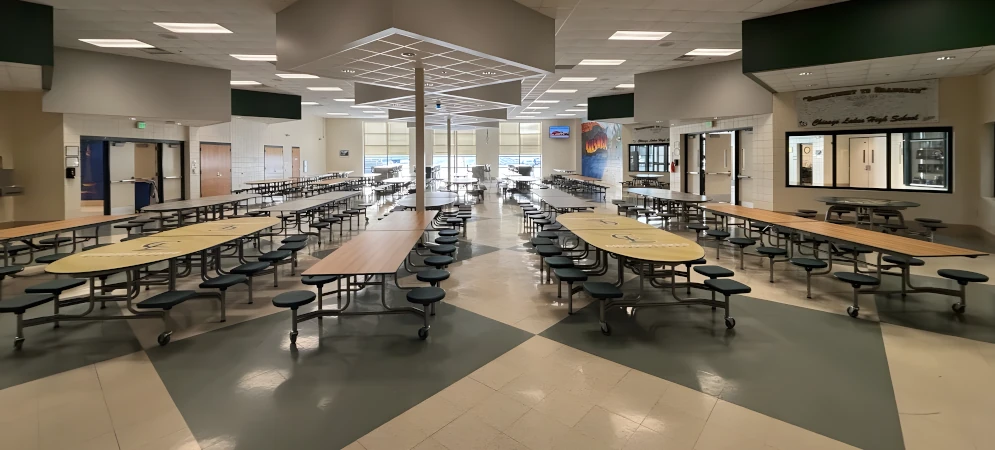

schools
  • neilghuman

What Schools and Municipal Buildings Should Look for in Facility Services

Reliability and Consistency

For schools and municipal buildings, reliability is non-negotiable. Facility services must be delivered consistently and on schedule to avoid disruptions to daily operations. Missed cleanings, delayed maintenance, or inconsistent service quality can quickly impact safety, usability, and public trust.

Look for service providers with clear scopes of work, dependable scheduling, and a proven ability to deliver the same level of service across time and multiple locations.

Experience in Public Environments

Schools and municipal facilities have unique operational demands. High traffic, public access, and strict safety expectations require teams that understand how to work in active, occupied spaces.

A qualified facility services provider should demonstrate experience in public environments, with staff trained to operate respectfully, safely, and efficiently around students, staff, and visitors.

Flexible Scheduling

Facility services should work around your building—not the other way around. Schools and municipal buildings often require services to be completed before or after operating hours, during breaks, or around public events.

Providers that offer flexible scheduling help minimize disruption and ensure services align with occupancy patterns and operational needs.

Safety and Compliance Focus

Safety is critical in public facilities. Services should be performed using appropriate methods, materials, and procedures that support health and safety standards.

When evaluating facility services, ask how safety protocols are enforced, how staff are trained, and how compliance is maintained across different service types and locations.

Clear Communication and Accountability

Strong communication prevents issues before they arise. Facility services providers should offer clear points of contact, transparent reporting, and prompt updates when work is completed or issues are identified.

Accountability—knowing who is responsible for what and when—helps administrators maintain confidence and oversight.

Ability to Support Multiple Services

Schools and municipal buildings often need more than one type of facility support. Working with a provider that can coordinate multiple services simplifies management and improves consistency.

Integrated support reduces vendor complexity and allows for better alignment across cleaning, maintenance, exterior services, and seasonal needs.

Proven Responsiveness

Even with preventive planning, unexpected issues happen. When they do, fast and reliable response matters.

Look for providers with established response processes, realistic timelines, and teams that are familiar with your facility and operational priorities.

labor solutions and staffing
  • neilghuman

How Multi-Site Facility Management Improves Consistency and Accountability

The Challenge of Managing Multiple Locations

Managing a single facility presents enough complexity on its own. When organizations are responsible for multiple locations, those challenges multiply. Differences in service providers, schedules, and standards can lead to uneven results, missed tasks, and reduced visibility across sites.

Without a coordinated approach, facility managers often spend valuable time troubleshooting inconsistencies rather than focusing on broader operational goals.

Centralized Oversight Creates Consistency

Multi-site facility management brings structure and alignment across all locations. With centralized oversight, service standards, schedules, and expectations are clearly defined and applied consistently from one site to the next.

This approach ensures that facilities receive the same level of care regardless of location, reducing variability and improving overall service quality.

Standardized Processes Improve Accountability

Accountability improves when processes are standardized. Multi-site management establishes clear scopes of work, defined responsibilities, and documented service expectations.

With consistent processes in place, it becomes easier to track performance, identify gaps, and address issues promptly. Everyone involved understands what is expected and how success is measured.

Simplified Communication Across Locations

Managing communication across multiple facilities can quickly become complex. A multi-site approach streamlines communication by providing clear points of contact and unified reporting.

This simplifies coordination, reduces confusion, and ensures that updates, requests, and concerns are handled efficiently across all locations.

Better Visibility Into Facility Performance

Multi-site facility management provides greater visibility into how facilities are performing over time. Consistent reporting and oversight make it easier to compare sites, identify trends, and prioritize improvements.

This visibility supports better decision-making and helps organizations allocate resources more effectively.

Improved Response and Issue Resolution

When issues arise, multi-site management allows for faster and more coordinated responses. Familiar teams, established procedures, and shared knowledge across locations reduce response times and improve resolution quality.

This responsiveness minimizes disruptions and reinforces accountability across all facilities.

Supporting Long-Term Operational Stability

Ultimately, multi-site facility management supports long-term operational stability. Consistent service delivery, clear accountability, and centralized oversight create environments that are easier to manage and maintain.

For schools, municipalities, and commercial organizations, this approach leads to improved reliability, stronger operational control, and facilities that remain ready for use every day.

day porter services
  • neilghuman

Best Practices for Supporting Daily Operations in Public-Facing Facilities

Understand How the Facility Is Used

Public-facing facilities—such as schools, municipal buildings, libraries, and community centers—operate under constant use. Foot traffic, public access, and varied schedules all influence how spaces function day to day.

Effective facility support starts with understanding usage patterns. Knowing peak hours, high-traffic areas, and sensitive spaces allows services to be planned in a way that supports operations rather than disrupting them.

Prioritize Consistency Over One-Time Fixes

Consistency is one of the most important factors in maintaining functional public spaces. Sporadic or reactive services often lead to uneven conditions and recurring issues.

Daily operations benefit most from routine, scheduled support that keeps cleanliness, safety, and functionality at a steady standard. Consistent service reduces surprises and helps facilities remain ready for use at all times.

Coordinate Services Around Operating Hours

Public-facing facilities must remain accessible and functional throughout the day. Facility services should be coordinated to minimize interference with staff, visitors, and scheduled activities.

Best practices include performing work before or after operating hours, during low-occupancy windows, or in clearly defined service zones. This approach maintains continuity while allowing necessary work to be completed efficiently.

Maintain Clear Communication Channels

Strong communication is essential for supporting daily operations. Facility managers should have clear points of contact, defined escalation paths, and timely updates when services are completed or issues are identified.

Transparent communication helps prevent misunderstandings, ensures accountability, and allows small concerns to be addressed before they affect operations.

Focus on Safety and Accessibility

Public-facing facilities must meet high expectations for safety and accessibility. Daily operations depend on clean walkways, well-maintained restrooms, functional entrances, and hazard-free common areas.

Facility services should consistently prioritize safety-focused practices that reduce risk and support compliance, especially in environments used by the public.

Be Prepared for Unplanned Needs

Even with strong planning, unexpected issues will arise. Spills, weather impacts, equipment failures, or sudden increases in usage can disrupt daily operations if response is slow.

Best-in-class facility support includes established response processes that allow issues to be addressed quickly without derailing the day’s schedule.

Build Long-Term Operational Stability

Supporting daily operations isn’t about quick fixes—it’s about creating stable, predictable environments. Over time, consistent facility support improves efficiency, reduces disruptions, and builds confidence among staff and visitors.

For public-facing facilities, these best practices help ensure spaces remain clean, safe, accessible, and ready for use every day.