
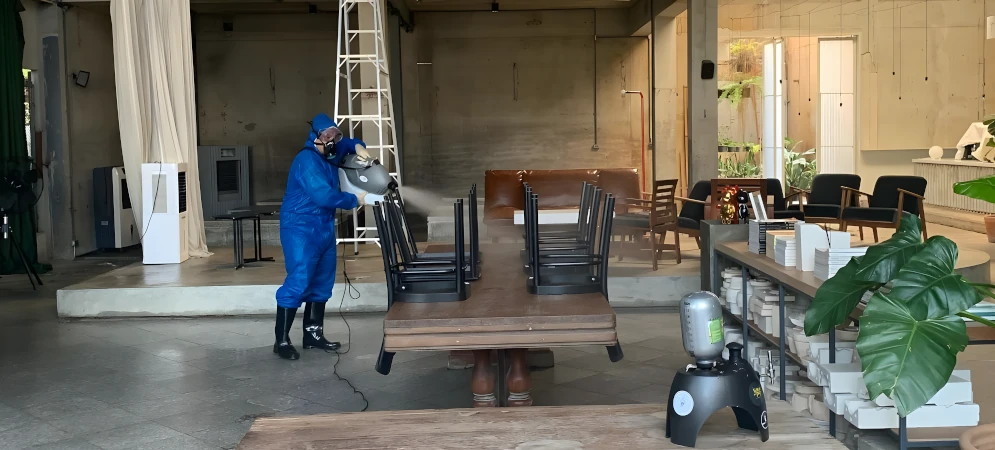
disinfecting services
  • neilghuman

Keeping Facilities Clean, Safe, and Operational Through Every Season

Seasonal Changes Bring New Facility Challenges

Facilities face different demands as the seasons change. Weather, occupancy patterns, and environmental conditions all impact how buildings are used and maintained. Without a proactive approach, seasonal shifts can create safety concerns, operational disruptions, and unnecessary strain on facility teams.

Planning for seasonal needs helps facilities stay ahead of these challenges rather than reacting to them after problems arise.

Spring and Summer: Preparing for Increased Use

Warmer months often bring higher foot traffic, extended hours, and increased use of outdoor areas. For schools, municipalities, and commercial properties, this means greater wear on flooring, landscaping, entryways, and shared spaces.

Seasonal cleaning, exterior maintenance, and landscape care help ensure facilities remain welcoming, functional, and safe as usage increases. Addressing buildup, debris, and minor repairs early prevents small issues from becoming larger operational concerns later in the year.

Fall: Preventing Weather-Related Disruptions

As temperatures drop and rainfall increases, facilities must prepare for slippery surfaces, clogged drains, and increased indoor traffic. Entryways, walkways, and common areas require additional attention to reduce safety risks.

Fall maintenance focuses on preparing buildings for wetter conditions by addressing exterior drainage, leaf removal, and interior cleanliness. These proactive steps help reduce hazards and maintain consistent operations as conditions change.

Winter: Prioritizing Safety and Accessibility

Winter conditions can create some of the most significant facility challenges. Snow, ice, and reduced daylight increase the risk of slips, access issues, and delayed services.

Consistent winter support—such as walkway care, entryway maintenance, and responsive service—helps facilities remain accessible and safe. Planning ahead ensures that operations continue with minimal disruption during colder months.

Consistent Support Keeps Facilities Operational

Facilities that rely on seasonal or reactive services often struggle to maintain consistency. Year-round support provides continuous oversight, ensuring that cleanliness, safety, and functionality are maintained regardless of the season.

With established service schedules and familiar teams, facilities benefit from faster response times and fewer surprises throughout the year.

A Proactive Approach to Facility Management

Keeping facilities clean, safe, and operational through every season requires more than short-term solutions. It demands planning, consistency, and services aligned with real operational needs.

By investing in year-round facility support, schools, municipalities, and commercial facilities create stable environments that remain ready for use—no matter the season.
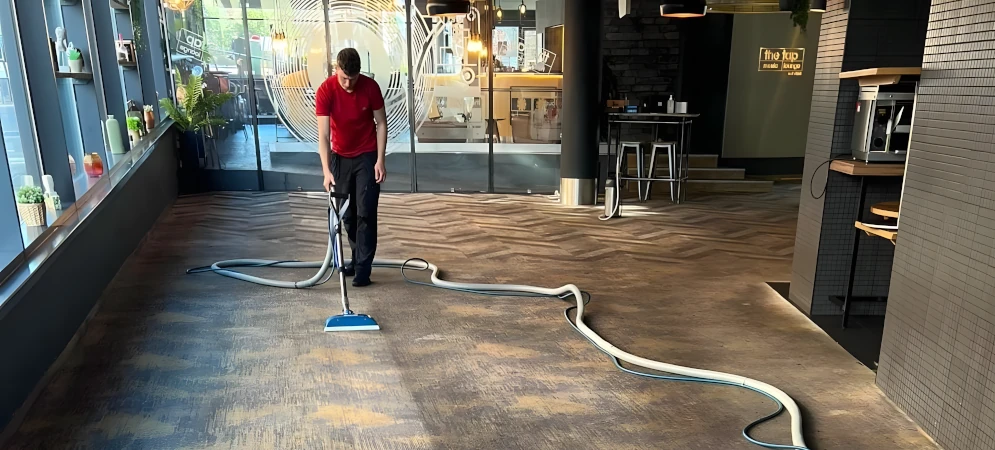
carpet and upholstery cleaning
  • neilghuman

How Year-Round Facility Support Reduces Operational Disruptions

Disruptions Often Start Small

Most facility disruptions don’t begin as major failures. They start with small issues that go unnoticed or unaddressed—missed cleanings, minor repairs, drainage problems, or wear that gradually affects safety and functionality. In public and commercial facilities, these small problems can quickly ripple outward, impacting staff productivity, occupant experience, and compliance requirements.

Without consistent oversight, minor issues tend to stack up. What could have been handled early and efficiently often turns into urgent, disruptive work that requires immediate attention. Year-round facility support helps identify and resolve these small problems before they escalate into operational interruptions.

Gaps in Service Create Risk

Facilities that rely on seasonal, reactive, or vendor-by-vendor services often experience service gaps. These gaps can lead to inconsistent cleaning standards, deferred maintenance, and slower response times when something goes wrong. Over time, this creates risk—not just to the building itself, but to the people using it.

Year-round support closes those gaps by ensuring services continue regardless of season, staffing changes, or shifting operational demands. Instead of restarting processes or onboarding new vendors repeatedly, facilities benefit from continuity and familiarity that reduces the chance of overlooked issues.

Consistency Improves Predictability

Predictability is a major advantage of year-round facility support. With consistent service schedules and established workflows, facility managers can plan ahead with confidence. Routine services are coordinated around occupancy, peak usage, and seasonal conditions, reducing surprises and last-minute adjustments.

This consistency also simplifies budgeting and planning. Rather than reacting to emergencies or unexpected needs, organizations can anticipate service requirements and manage resources more effectively. Predictable service reduces stress on internal teams and keeps operations running smoothly.

Faster Response When Issues Arise

Even with strong preventive practices, unexpected issues still happen. When they do, facilities with year-round support are better positioned to respond quickly. Established service teams already understand the building layout, systems, and operational priorities, allowing them to act without delay.

This familiarity leads to faster diagnostics, fewer miscommunications, and more effective solutions. Instead of explaining the facility from scratch or coordinating multiple vendors, managers can rely on teams that are already aligned with expectations and standards.

Stability Supports Daily Operations

At its core, year-round facility support creates operational stability. Cleanliness, safety, and functionality are maintained continuously rather than addressed in cycles. This stability is especially important for schools, municipal buildings, and commercial facilities where interruptions directly affect public use and daily workflows.

Over time, consistent facility support contributes to longer asset life, improved occupant satisfaction, and fewer disruptions overall. Facilities remain ready for use in every season, supporting the people and operations that depend on them every day.